Affordable Powell River General Contractor Services for Additions
Guide to Finding the Correct General Contractor for Your Next Home Project
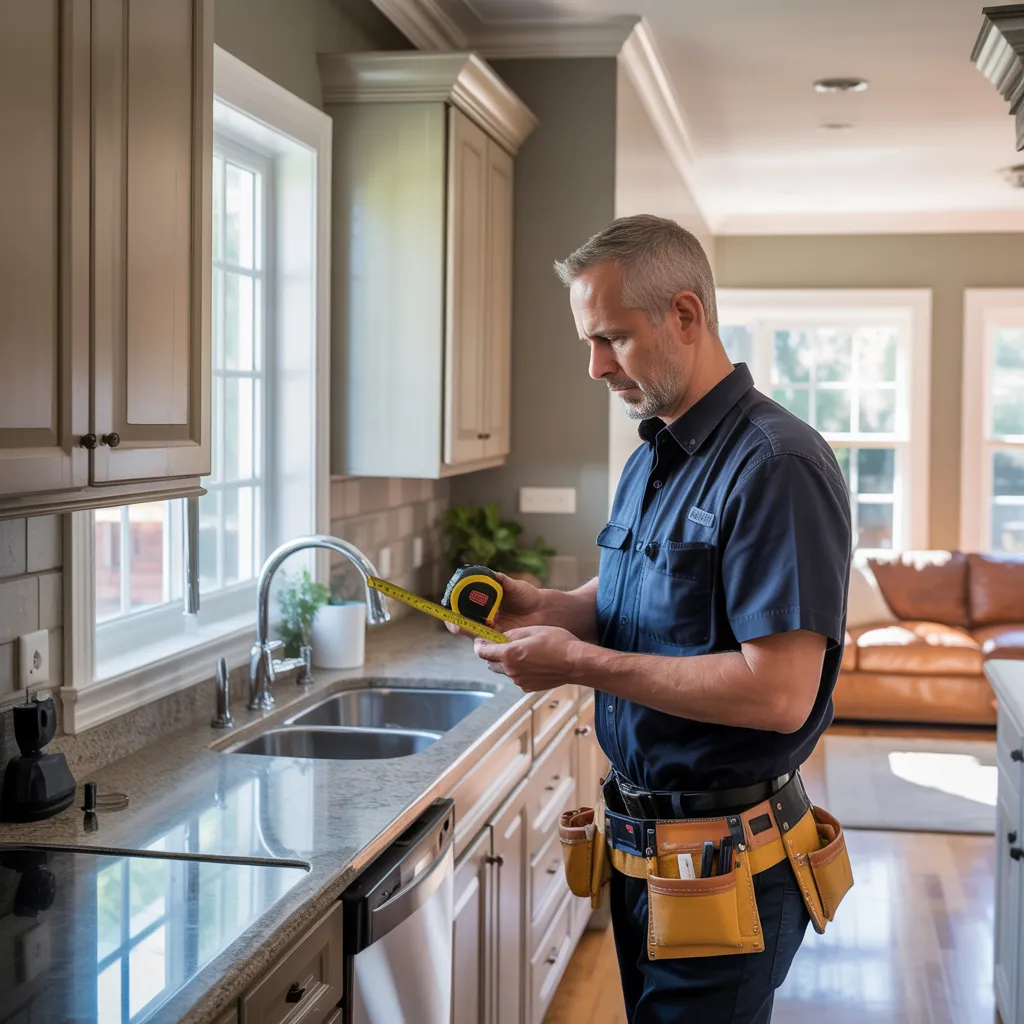
Determining the best general contractor for a residential undertaking is an important decision. This necessitates careful review of assorted elements, incorporating expertise, certifications, and interpersonal skills. Numerous homeowners disregard crucial points, resulting in expensive errors. Grasping how to appraise candidate contractors can create meaningful change. By stressing primary standards and posing appropriate questions, you can work through this complicated undertaking far more effectively. What are the critical measures to guarantee a successful collaboration?
How to Prevent Usual Traps When Selecting a Service Provider
When hiring a professional, how can one manage the numerous of alternatives without falling into frequent pitfalls? Prospective clients regularly ignore crucial elements that can result in negative consequences. First, considering price alone can be deceptive; the cheapest offer may indicate low-grade work or additional charges. Additionally, neglecting to check references or online reviews can end up with an unreliable professional. It is also crucial to avoid making decisions based on charisma alone; a charming professional may not be skilled or dependable. Moreover, neglecting transparent dialogue and standards can result in conflicts and unhappiness. Finally, not reviewing contracts thoroughly before signing can cause unforeseen responsibilities or insufficient safeguards. By being watchful and educated, homeowners can make more confident decisions, eventually ensuring a positive result.
Important Points to Review in a Contractor's Expertise
When examining a contractor's expertise, multiple crucial considerations matter. Relevant project experience, professional credentials, and an broad body of delivered projects function as critical indicators of their competencies. Evaluating these factors can supply valuable insights into the contractor appropriateness for the specific project at hand.
Applicable Project Experience
Recognizing a contractor's relevant expertise is critical for securing the triumph of any building endeavor. Prospective clients should examine the contractor's body of work, prioritizing on completed projects matching in proportions and style to their own. This entails examining the quality of craftsmanship, adherence to schedules, and budget management in former ventures. Additionally, it is helpful to question about the types of supplies employed and the contractor's familiarity with local regulations and regulations. Testimonials and citations from past clients can provide insights into the contractor's dependence and communication skills. In conclusion, a contractor with extensive relevant experience can handle challenges successfully, ensuring the project achieves the homeowner's expectations and criteria.
Professional Certifications And Licenses
Certification and licensing serve as critical markers of a contractor's professionalism and expertise in the construction industry. When choosing a general contractor, it is vital to verify that they have the required permits required by local and state regulations. These licenses demonstrate adherence to building codes and safety standards. Additionally, industry certifications, such as those from the National Association of Home Builders or similar organizations, indicate a contractor's commitment to quality and ongoing education. Contractors with specialized certifications may also have skills in specific areas, such as green building or remodeling. Verifying that a contractor has the appropriate credentials not only improves confidence in their capabilities but also minimizes potential legal and financial risks during the project.
Portfolio Of Finished Work
A service provider's portfolio featuring accomplished projects acts as a valuable resource for gauging their expertise and skills. This selection needs to showcase a mix of projects that illustrate flexibility in different styles and levels of difficulty. When reviewing a portfolio, potential clients must focus on high-quality photographs that clearly illustrate the workmanship involved. It is also valuable to find projects that align with the homeowner's particular preferences or aesthetic preferences. Attention to detail, inventive solutions, and adherence to timelines are vital indicators of a contractor’s skill. Additionally, client reviews or case studies featured in the portfolio can offer more understanding of the contractor's work ethic and dependability. Ultimately, a strong portfolio can assist homeowners in making well-informed choices about their future projects.
How to validate Your Contractor's Qualifications and Licenses
It is essential to check a general contractor's credentials and licenses before enlisting their services, confirming they meet industry standards. Check with local licensing boards to ensure the contractor maintains the proper documentation needed for your area and project type. Understanding that each state enforces its own regulations can avoid future complications.
Moreover, investigate insurance options, encompassing liability and workers' compensation, to assure protection against potential accidents or damages. Request references from earlier clients and follow up to measure satisfaction and reliability.
At the end, examine any credentials the contractor may hold, as these often confirm technical expertise and alignment with industry best practices. A systematic verification process not only maintains compliance view details but also strengthens confidence in the contractor's ability to deliver the project successfully.
Why Communication Is Essential in Your Service Provider Relationship
Effective dialogue plays a pivotal role in the contractor-client partnership, shaping the project's success from the outset. Clear dialogue establishes expectations, timelines, and budgets, guaranteeing both parties are aligned on the project's goals. When clients express their vision effectively, contractors can offer informed recommendations and solutions, enhancing the overall outcome.
Regular updates and open lines of communication enable speedy resolution of challenges as they emerge, reducing possible delays. In addition, a contractor who listens to and replies to customer suggestions establishes trust, which is vital for cooperation.
In addition, robust dialogue helps with managing modifications and surprise obstacles, holding the project on schedule. It enables the contractor to adapt approaches based on client direction, guaranteeing satisfaction during the entire journey. Ultimately, emphasizing communication not only strengthens the contractor-client connection but also significantly aids in the successful finishing of the home project.
Fundamental Points to Request of Your Project Manager in Initial Discussions
When meeting for the first time with a contractor, clients must focus on their qualifications. It's necessary to discuss the project timeline and budget to guarantee alignment with the client's needs. These questions create a foundation for a strong partnership and productive project management.
Experience and Credentials
Picking a primary contractor depends on understanding their experience and expertise. Homeowners should raise inquiries about the contractor's years in the industry and the types of projects they have completed. Essential questions about authorizations, credentials, and insurance are imperative, as these assure compliance with local regulations and provide protection during the project. Moreover, checking previous projects through portfolios or references can shed light into the contractor's craftsmanship and steadfastness. It is additionally valuable to ask about their familiarity with similar projects, as this can indicate their capacity to tackle unique issues. Ultimately, reviewing a contractor's expertise and background builds trust and helps homeowners make informed decisions about their home projects.
Project Timeline and Cost
How can homeowners guarantee their project remains on track financially and in terms of timing when meeting with a general contractor? To preserve consistency, they should ask important questions during initial meetings. Property owners must ask regarding the estimated timeline for completion of the work and any possible setbacks that could occur. Comprehending the contractor's approach to schedule management is crucial. Additionally, addressing the budget upfront is important; property owners should obtain clear information on cost estimates, payment plans, and any built-in contingency funds for unexpected costs. Asking about previous projects can provide insight into the contractor's reliability in meeting deadlines and maintaining budget constraints. By establishing clear communication regarding schedules and budgets, homeowners can foster a productive relationship with their contractor, improving the probability of a completed project that meets expectations.
What procedures should one take to verify a general contractor is reliable? First, it is vital to demand a list of references from potential contractors. A respected contractor will readily provide names and contact information of previous clients. One should call these references to inquire about their experiences, concentrating on aspects such as communication, quality of work, and schedule compliance.
Moreover, perusing online assessments on platforms like Google, Yelp, or Angie's List can furnish important understanding. It is necessary to examine patterns in the reviews—repeated positive or negative remarks can point to reliability or warning signs.
Furthermore, examining for any complaints submitted with local regulatory bodies or consumer advocacy organizations can reveal a contractor's background. Finally, asking for current project images can help assess the caliber of their craftsmanship. By taking these steps, one can make a more well-researched decision when selecting a general contractor.
Understanding Contractor Rates and Payment Terms
Homeowners should also familiarize themselves with common pricing structures. Most contractors demand a upfront deposit, followed by staged payments tied to project milestones. It's essential to establish these terms before signing a contract to avoid misunderstandings. Additionally, homeowners should ask regarding potential additional costs, such as permits or unforeseen maintenance. Clear communication concerning pricing and payment terms will foster a transparent professional partnership, ultimately leading to a favorable project completion. Understanding these elements empowers homeowners to choose wisely when choosing a general contractor.
Often Common Questions
How considerable time will it need to complete the work?
The timeline of the project tends to vary according to how complex and extensive the project is. As a rule, completion might take several weeks to months. Climate factors, material supply, and workforce resources can have a major effect on when the project finishes.
What Takes Place if Unforeseen Challenges Occur During Building?
If unforeseen problems emerge during construction, the contractor typically assesses the situation, discusses with the homeowner, and proposes solutions. Adjustments to the schedule and costs may be necessary, ensuring openness throughout the project.
Will My Project Call for Permits or Inspections?
The bulk of projects require permits and inspections to confirm compliance with local building codes. It is essential to consult a general contractor who comprehends these requirements, as they can navigate the permitting process competently.
How Do You Manage Subcontractors and Their Payments?
A reputable general contractor oversees sub-contractors by creating clear contracts specifying payment terms. They ensure prompt payment, keep transparent dialogue, and track subcontractor performance, promoting a collaborative environment that aids in project success and productivity.
What Is Your Approach on Project Modifications or Enhancements?
The contractor takes a dynamic stance toward project changes, necessitating documented proof for any additions. They provide clear communication, determine financial effects, and adjust timelines accordingly to fulfill the customer's developing requirements and desires.